Rebuilding Government from the Ground Up
A democratic renewal focused on clarity, accountability, and public confidence.
Abolishing the Legislative Council (MLC)
Why CHANGE Would Abolish the Legislative Council
The Legislative Council was originally intended to provide scrutiny and balance.
In practice, it no longer fulfils that role. Today, the Legislative Council:
• Is unelected by the public
• Duplicates democratic functions already performed elsewhere
• Can shape or block legislation without direct accountability
This creates a democratic gap — laws affecting everyday lives can be shaped or blocked by people the public did not choose and cannot remove.
CHANGE believes scrutiny must exist — but it must be democratic, transparent, and accountable to the people.
That is why the Legislative Council will be abolished and replaced — not with more politicians, but with ordinary Manx citizens, serving for a fixed term, with clear powers and clear limits.


A People’s House for the Isle of Man
A People’s House for the Isle of Man
The People’s House will replace the Legislative Council with a body designed to reflect the public — not the political class.
It will be made up of ordinary Manx citizens, selected transparently, serving for a fixed, non-renewable term.
Members of the People’s House will not be career politicians. They will return to ordinary life once their term ends.
The People’s House will:
• Review legislation passed by the House of Keys
• Approve or reject laws based on the public interest
• Publish clear, plain-English explanations for every decision
• Introduce People’s Bills where issues are being ignored
• Question Ministers and scrutinise their actions.
Its role is not to govern, but to protect the public interest — acting as a democratic safeguard, not a political rival.
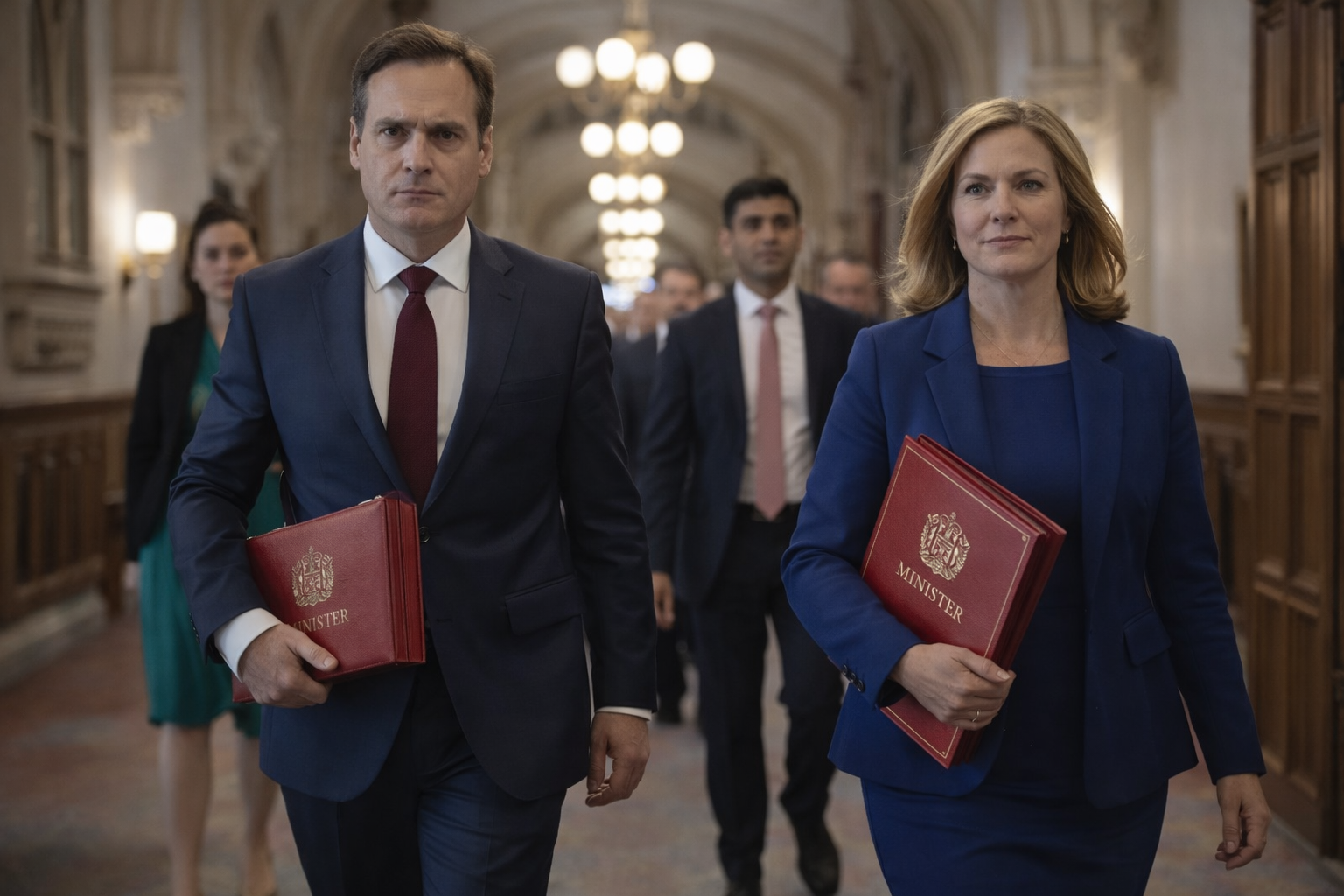
The Council of Ministers will be abolished as a decision-making authority.
Executive power will rest with individual Ministers, each directly accountable to Tynwald and the People’s House.
Ministers will serve the people — not civil servants, not committees.
• Direct accountability to the Keys
• Mandatory transparency
• Clear lines of responsibility
• Limits on ministerial avoidance
• Regular questioning and scrutiny
A Minister is responsible — fully and openly.
Democratic scrutiny must be matched by clear executive responsibility.
The Role of Ministers
Clear authority. Clear responsibility. Clear consequences.
Under CHANGE, Ministers will no longer act as figureheads while decisions are made elsewhere. They will be the accountable decision-makers of government.
Ministerial office will carry real authority — and unavoidable responsibility.
What Ministers Are Responsible For
1. Setting Policy Direction
Ministers will set the political and strategic direction of their department. Policy priorities will be explicit, published, and open to scrutiny.
Civil servants will advise and implement — not decide.
2. Signing Off Decisions
All significant decisions will require Ministerial approval and signature.
No major policy, expenditure, or strategic action will be taken without a clearly identified Minister responsible for it.
There will be no anonymous decisions and no transfer of political responsibility to officials.
3. Ministerial Decisions:
Ministers will appear before elected chambers to answer
questions and account for their decisions, openly and on the
record
4. Publishing Outcomes in Plain Language
Decisions will be followed by clear public explanations, written in plain English, setting out:
-
what was decided,
-
why it was decided,
-
what impact is expected, and
-
how success will be measured.
5. Delivering Results
Ministers will be judged on outcomes, not intentions.
Failure to deliver agreed objectives — without valid justification — will trigger formal review.
Ministerial Accountability
Ministerial office is a responsibility, not a privilege.
-
Authority comes with accountability
-
Power comes with consequences
-
Failure is not hidden — it is addressed
Ministers who cannot deliver will not be protected by process, committees, or excuses.
This is how government is rebuilt — accountable, democratic, and firmly in the hands of the people.