
Principles for a Fair and Sustainable Tax System
Working families are under increasing pressure, while the tax system has become complex and difficult to navigate. CHANGE believes taxation should be simple, fair, and focused on protecting ordinary households first.
This page sets out the principles that would guide tax reform, alongside an illustrative example showing how those principles could operate in practice.
Illustrative Example — Demonstrating Progressive Principles
The example below demonstrates the direction CHANGE believes a fair and sustainable tax system should take. It does not set final rates or thresholds, which would be developed transparently, based on evidence and consultation.
✦ Our Immediate Commitment
CHANGE will raise the personal income tax allowance to £18,000.
We will then set a clear pathway to increase it further, with the objective of reaching at least £20,000 within four years.
This protects working households, rewards effort, and ensures modest incomes are not gradually eroded by taxation.
Illustrative Income Tax Structure (Conceptual Example)
This example demonstrates how a fair tax system could operate — protecting essential living standards, rewarding progression, and ensuring contributions remain proportionate.
Final rates and thresholds would be set through open consultation and evidence-based analysis.
Conceptual Framework
| Income Level | Illustrative Direction |
|---|---|
| Up to £18,000 | Zero tax to protect essential living standards * |
| £,20,001–£25,000 | 15% Lower starting rate to reward work and progression |
| £25,001–£100,000 | 20% Standard rate reflecting stable contribution |
| £100,001 -£350,000 | 22% Higher but proportionate contribution |
| Tax Cap £400,000 | Clear upper limit on total personal tax burden |
What this illustration demonstrates
-
Fairness begins by protecting lower earners from undue financial pressure
-
Work and progression should remain worthwhile and incentivised
-
Those with greater capacity can contribute proportionately, without punitive measures
-
The system should be clear, stable, and understandable, avoiding complexity for its own sake
Any actual tax policy must be developed transparently, based on evidence, public consultation, and the Island’s long-term fiscal position.
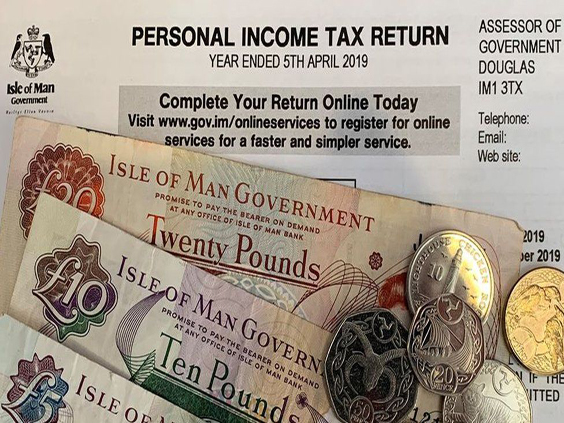
Using Natural Resources in the Public Interest
The people of the Isle of Man should be able to keep more of what they earn.
Tax policy should ease pressure on lower-income households and support economic stability.
At the same time, the Island holds significant natural resources within its territorial waters. Where such resources generate revenue, that income should be used for the direct benefit of the community — not left untapped while families face rising costs.
Resource-derived income can help:
-
reduce pressure on household bills
-
ease the tax burden on those least able to afford it
-
support essential public services
Using natural wealth to improve everyday living standards is a matter of fairness, balance, and long-term resilience — ensuring the benefits of shared resources are felt by the whole community.